Restaurants / Los AngelesLA County

Websites for restaurants in Los Angeles.

We build your site before the first meeting, then customize it with your real name, services and reviews. Approve it and go live the same day. $500 down and $49/mo, or $1,500 to own it.

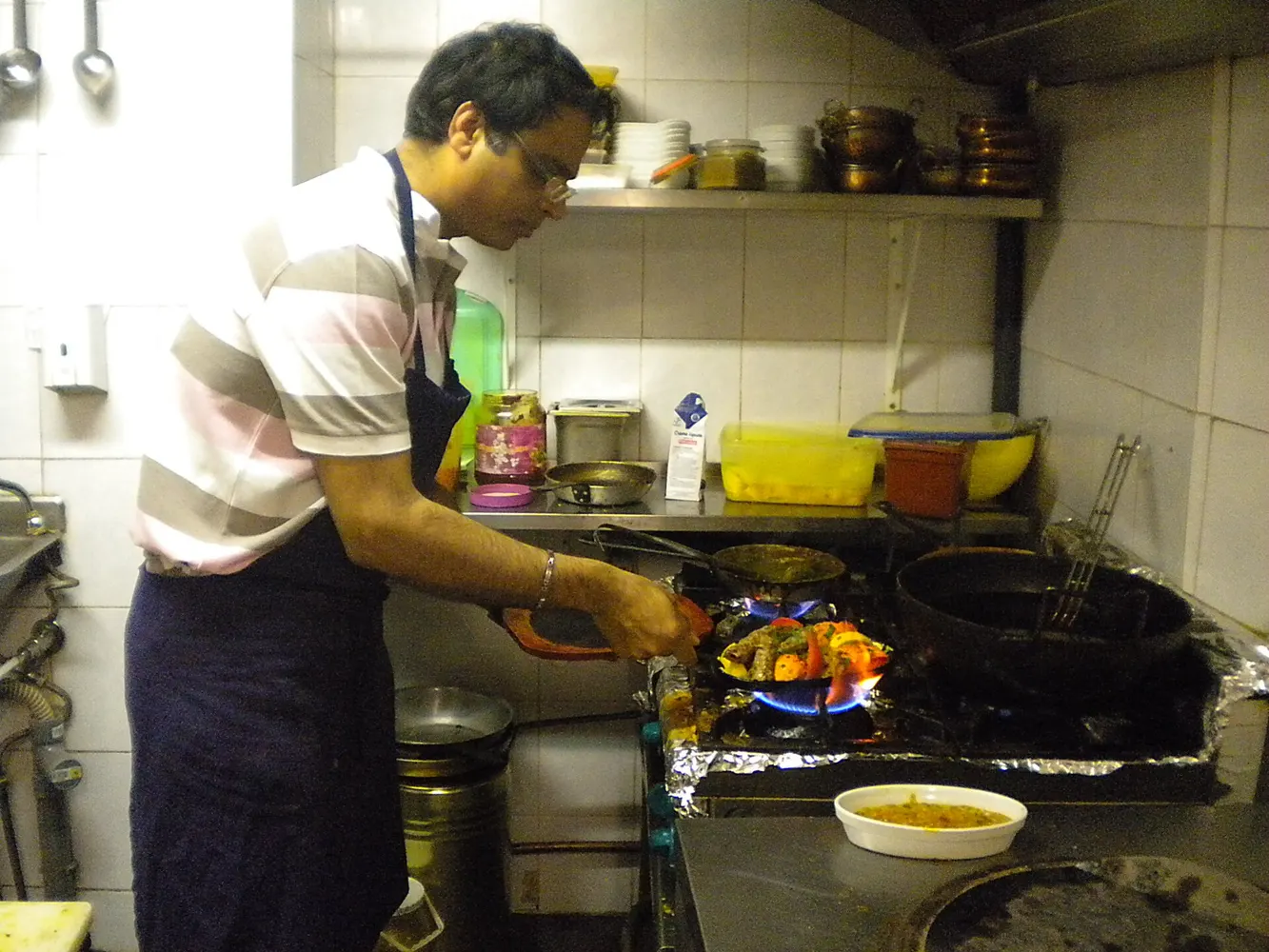
A cook works a wok over an open flame on a restaurant kitchen stove.
Photo Khalid Mahmood, CC BY-SA 3.0
Nº01 / LocalRestaurants in Los Angeles

How Los Angeles hires.

Los Angeles eats by corridor. Koreatown runs past midnight along Wilshire and Western, Sawtelle is a ramen and izakaya row on the Westside, York and Figueroa carry Highland Park’s newer places, and Downtown splits between the Arts District, Little Tokyo and Grand Central Market. Nobody crosses the city on a hunch. They open Maps, read the reviews, check the hours, and go.

That makes the website the decision. The LA County Department of Public Health letter grade sits in your window, and the page has to earn the same trust before anyone drives over. Hours that are right, a menu that is readable on a phone, and a way to book or order without a third app in between.

Knowing Los Angeles

The business geography of Los Angeles runs along its corridors: Ventura Boulevard through the Valley, Melrose and Beverly across the middle of the city, Figueroa through Highland Park, Crenshaw through the southwest, and Gaffey down into San Pedro. Local customers navigate by those streets.

Permits go through the Department of Building and Safety with its well-known queues. LADWP handles water and power inside city limits while Edison and SoCalGas pick up at the borders, and street parking rules can decide when a crew can start.

Angelenos hire off screens because the city is too big to hire any other way. Nobody drives from Eagle Rock to Mar Vista to size up a contractor’s shop. They size up the website, the reviews, and the response time.

Areas we cover

Silver Lake, Highland Park, Sherman Oaks, West Adams, Koreatown, Mar Vista, Eagle Rock, San Pedro.

Permits run through LADBS, power through LADWP, and the housing stock spans 1910s Craftsmans to new small-lot builds.

Nº02 / The briefFor restaurants

What your site actually needs to do.

  • 01

    The menu on your site is a PDF from last spring. Prices moved twice, three dishes are gone, and Google cannot read a word of it.

  • 02

    Delivery apps own the customer, the phone number and a commission on every order. Your regulars order through them because that is where the button is.

  • 03

    The phone rings hardest at 7pm on Saturday, when nobody can take a reservation or a catering call and the line is out the door.

What we build for restaurants.

  • HTML menu with menu markup: every dish, price and dietary tag on the page as text, so Google can show your menu in results and a price change is one edit, not a new PDF.
  • Hours that stay right: regular hours, holiday hours and one-off closures kept in one place that updates the site and your Google Business Profile together.
  • Reservations on your own page: a booking flow with no per-cover fee, built around your table count and turn times, with confirmations and reminders by text.
  • Commission-free ordering: pickup and delivery orders taken on your own domain, paid into your account, with the customer’s name and number kept by you.
  • AI receptionist for the rush: answers the phone at 7pm, takes the reservation or the catering inquiry, texts you the summary, and hands a real problem to a person.
  • Ads for the slow nights: Google and Meta campaigns that run Tuesday through Thursday, aimed at the neighborhoods that can reach you, and pause when they stop paying.

What that looks like in Los Angeles.

Koreatown restaurants run on group dining, late hours and waits, and a good share of guests read Korean first. The site carries the menu in both languages, states the hours the kitchen actually keeps at 1am, and gives a party of eight a way to book instead of standing on Sixth Street. A page for your late-night hours ranks for the searches that start after the bars close.

The delivery apps are thicker in Los Angeles than anywhere else in the county, and ghost kitchens in Koreatown and Hollywood compete for the same order with no dining room to pay for. A restaurant on Sawtelle or York Boulevard that takes pickup orders on its own domain keeps the customer’s number and skips the commission on every repeat order. The site makes that button as easy to find as the app’s.

The calendar in LA is a marketing plan. Dodger home games, shows at the Hollywood Bowl and Crypto.com Arena, awards season, dineL.A. Restaurant Week twice a year. A restaurant near the stadium in Echo Park or near LA Live wants a page for the pre-game menu and the reservation window. Ads that run only on the slow nights fill Tuesday in Highland Park without paying for Saturday.

Nº04 / PricingTwo ways to pay

Same build. Two ways to pay.

You keep your domain either way.

Standard.PKG

$1,500One time

A complete site that gets you found, trusted, and called.

  • Up to 5 pages, designed and written for you
  • Built before our first meeting, live the same day you approve
  • Contact form that texts your phone when a lead comes in
  • Click-to-call, booking embed, and service-area map
  • Google Business Profile, Search Console & LocalBusiness schema
  • Google Reviews live widget
Get started with Standard

Department.PKG

$99Per month

We run your whole web presence. You run your business.

  • We spot improvements and make them before you ask
  • Review monitoring + help responding
  • Ongoing content & SEO refreshes to keep you ranking
  • Photo gallery refreshes from shots you send
  • Lead-form monitoring so you never miss an inquiry
  • Monthly plain-English performance report
Add Partner care
// Questions3 answered

Asked by restaurants in Los Angeles.

Yes. The menu is real text, so a second language is a second column, not a second PDF. Koreatown, Boyle Heights and Thai Town restaurants get the language their regulars read, and Google reads both.